
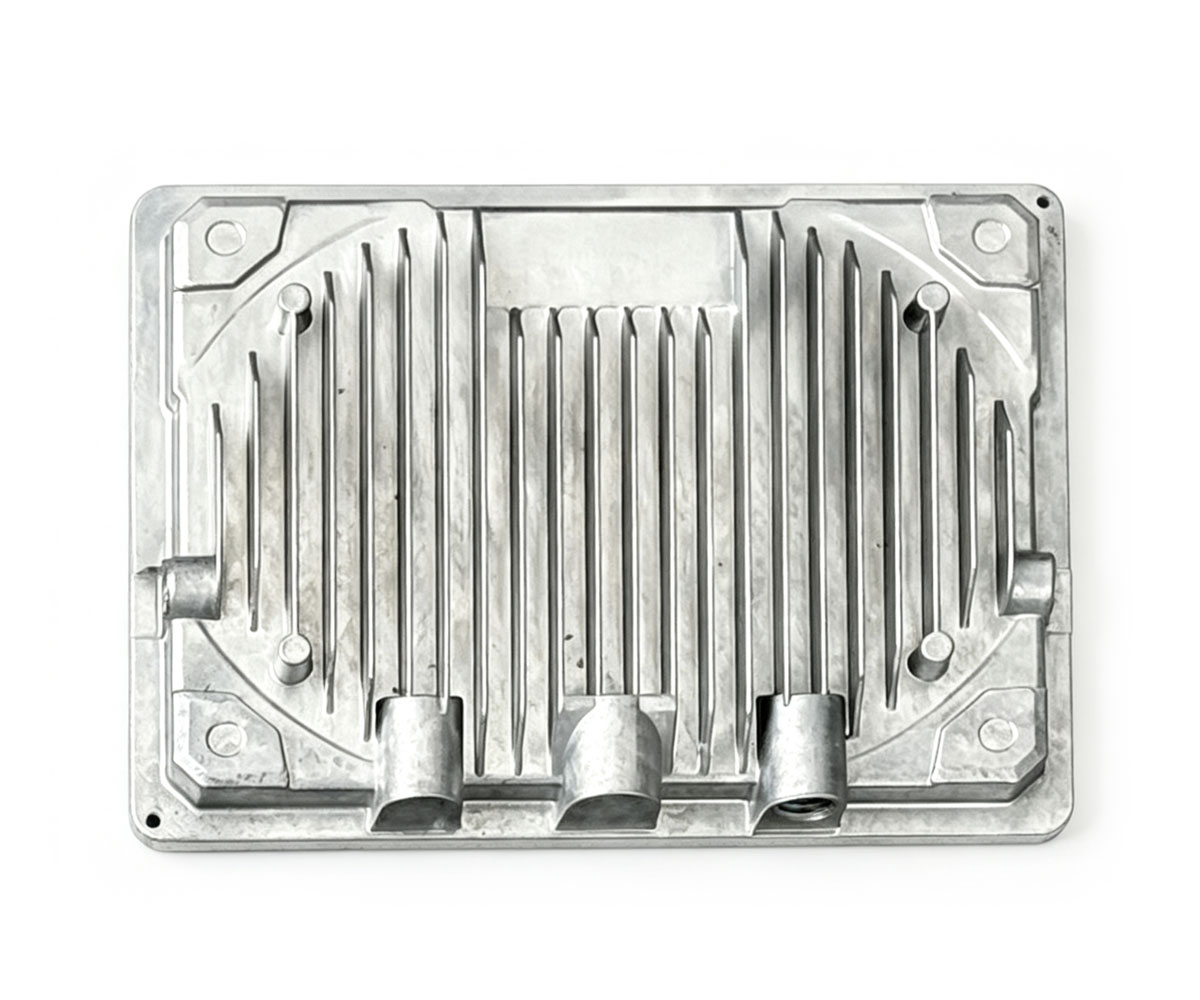
Your Part Was In Tolerance. Then It Grew on the Way to the Customer.
Magnesium expands at roughly twice the rate of steel, and a casting cools from a 200 °C die. Where the numbers move, and how to write a drawing that survives the trip.
Read More →Process know-how, material characteristics and lightweight manufacturing trends.
Magnesium expands at roughly twice the rate of steel, and a casting cools from a 200 °C die. Where the numbers move, and how to write a drawing that survives the trip.
Read More →A magnesium CCB and a magnesium e-drive housing are two temperature worlds. The published creep numbers make the boundary visible, and most coverage leaves it out.
Read More →
A machined magnesium face can pass X-ray and CMM and still arrive oxidised. The Chinese packaging standard has a shipping clause and a claim window; VCI guidance adds the rest.
Read More →The parts were finished components, the destinations were Indonesia and Canada, and the trigger was alloy chemistry. A 2026 customs decision is a better compliance brief than any policy summary.
Read More →Two standards, seventeen years and two languages apart, leave the reject line to the buyer. A 2026 revision project for GB/T 23600 makes this a good time to fix the drawing note.
Read More →As-cast AM60B corroded up to 100% faster than machined surfaces in salt spray. What that means for surface prep, fastener isolation and the numbers in a corrosion test report.
Read More →A Chinese mandatory safety standard and an EU environmental ban both landed on magnesium die casting. Why one workshop clause reads backwards, and which records an audit should ask to see.
Read More →On 5 November one Chinese supplier said semi-solid is replacing HPDC; on 13 November another said the two routes simply have different boundaries. The November machine list explains why both can be true.
Read More →A die-life figure without a wall thickness and an end-of-life definition is a marketing number. Why the published range runs from 8,000 to 400,000 shots, and what it changes in a quotation.
Read More →The 5.5% plastic cap in China's e-bike standard is a fire clause, not a weight target. What that changes for part selection, alloy choice and supplier qualification.
Read More →