
The Casting Passed Inspection. Then It Spent 35 Days in a Ship Hold.
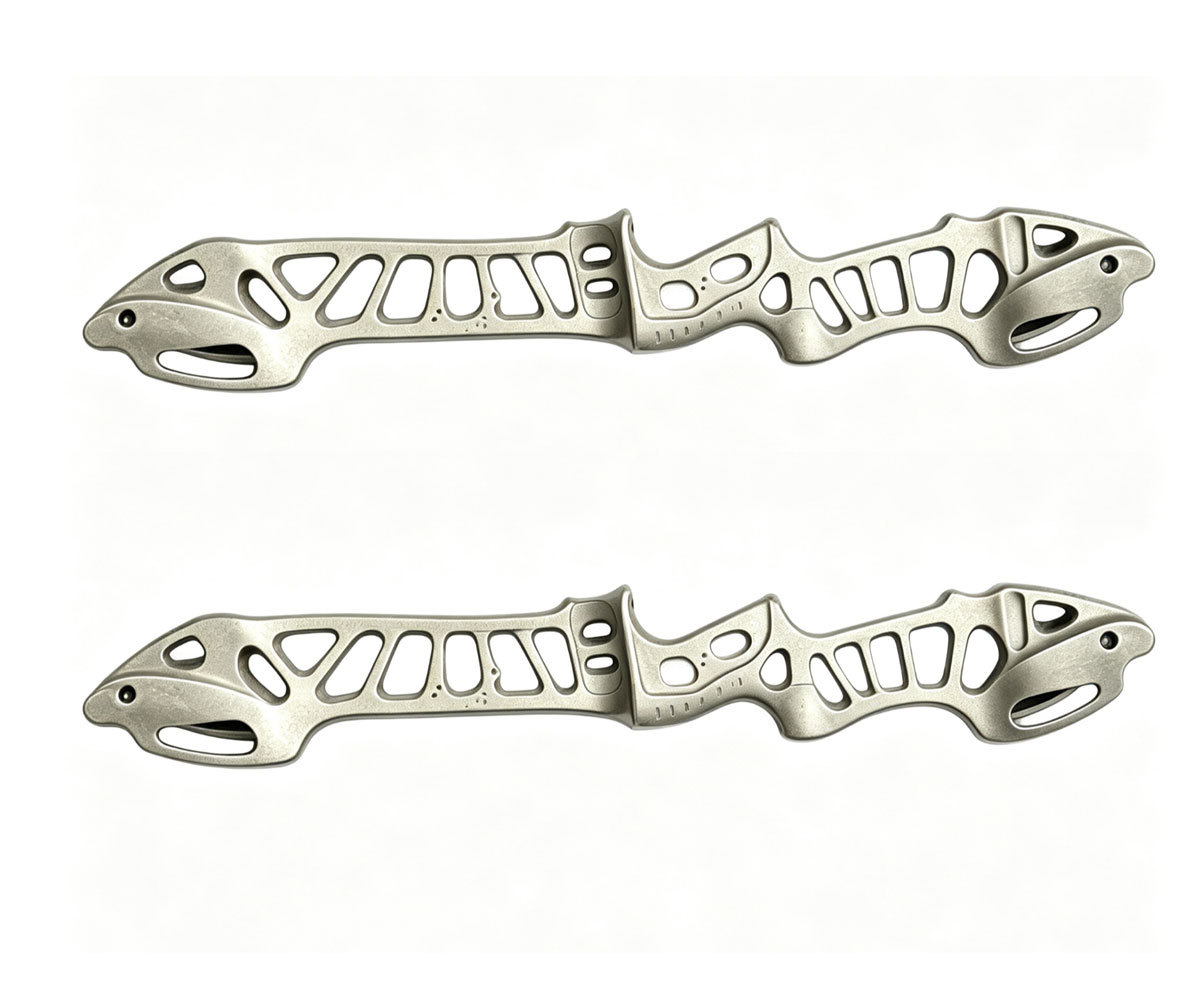
A machined magnesium face can pass X-ray and CMM and still arrive oxidised. The Chinese packaging standard has a shipping clause and a claim window; VCI guidance adds the rest.
A magnesium casting can pass radiography, CMM and a leak test, then arrive at the customer with white oxidation on a machined sealing face. GB/T 32792-2016 anticipated this. Clause 6.7 says that products shipped by sea shall be packed more heavily and wrapped outside with plastic film to prevent corrosion by the marine environment. Clause 7.1 says the purchaser shall check the box for damage or water ingress immediately on receipt, and that packed products shall be examined for oxidation or corrosion within five days. Appearance and dimensional objections are due within one week; other performance objections within one month. That is not a slogan about care in transit. It is a claim window.
The same standard is unusually specific about the rest of the chain. Clause 6.2 requires carriages, holds, cargo bays and containers to be clean, dry, damp-proof, fire-proof, static-proof and free of contaminants, with suitable firefighting equipment and leak emergency kit. Clause 6.3 prohibits carrying magnesium products with chemically active or easily oxidised corrosive materials in the same carriage, hold or container, and prohibits open-top transport. Clause 6.4 limits transit warehouse temperature to no more than 30 °C with ventilation in hot seasons. Boxes must carry "moisture proof", "handle with care", "stacking limit" and "keep upwards" markings; powder boxes add "inflammable"; export boxes additionally follow entry-exit inspection requirements. The product label carries twelve fields including part number, alloy and temper designation, batch, production date, inspection mark and placement direction. Storage rules in the standard's English version add explosion-proof lighting and magnesium-specific D-type extinguishers with dry sand.
What VCI adds, and where it fails
Export guides written for buyers in English reach the same place from a different direction: specify VCI packaging, desiccant and a moisture-barrier bag for sea freight; keep dissimilar metals separated in the container; budget 25 to 40 days port to port; inspect a pre-shipment sample for white rust, dents and thread damage. VCI works by releasing corrosion inhibitors into an enclosed space; the vapour reaches recesses and internal cavities a coating cannot. Suppliers of the material add two caveats that matter here. Compatibility with aluminium and magnesium varies by formulation and should be tested on the actual part — a VCI meant for steel is not automatically suitable for a magnesium assembly. And VCI only works while the enclosure stays intact: a punctured barrier loses the vapour and admits moisture.
There is a nicer detail in packaging practice. If you protect a metal load with VCI and then strap the crate with steel, you have put a rust source back onto the cargo; sea humidity corrodes the strap and stains what you just protected. PET strapping is recommended instead. The same guidance says parts must be clean and dry, handled with gloves, and cooled to ambient temperature before bagging — otherwise condensation forms inside the seal. None of this is visible on a dimensional report, which is exactly why it gets sourced out to the cheapest bidder.
Powder is a different legal category, not just a different package. Freight guidance describes magnesium powder and chips below 500 μm as UN 1418, class 4.3, with dangerous-goods documentation and leak-proof metal containers; finished magnesium alloy parts are generally treated differently and need a material certificate stating what they are. The packaging standard itself limits magnesium powder to 50 kg in aluminium drums or 100 kg in iron or steel drums and requires an "inflammable" mark. We are not a freight forwarder and will not classify a shipment. The useful move is to have the forwarder confirm the classification in writing before the booking, not at the terminal.
Where responsibility actually splits
Factory acceptance says the part was good at the factory. It says nothing about day thirty in a container whose humidity cycled with the route. So the purchase order should carry the shipping specification rather than the word "standard export packing": VCI formulation compatible with the alloy and any steel inserts; whether a foil moisture barrier and desiccant are included; the thickened outer wrap for sea freight called for by 6.7; the box markings and the twelve product-label fields; non-staining PET strapping; and a photograph of the packed box tied to the batch number. Then use the standard's own windows — check on arrival, examine for oxidation within five days, raise appearance and dimensional issues within one week — instead of discovering the problem after the parts have been machined and installed.
We run tooling, die casting, precision machining and surface treatment in one plant in Ningbo, so the machining and coating sequence that precedes packing sits with the same people who pack the parts. That does not make us a logistics authority, and we would not write a condition report for a carrier. Send the part and the route and we will state what we do before the box closes; process scope here. For the inspection evidence that should exist before packing, see our note on X-ray acceptance criteria; for the paperwork that travels with an export order, see the 2026 customs decision; for why the alloy itself changes with temperature, see the e-drive housing note.
One question for the next quotation
"Standard export packing" is not a specification. Ask what is inside the bag, what holds the crate shut, and what the five-day check will be measured against.