
The Cheapest Magnesium Part Is Not the One With the Lowest Price
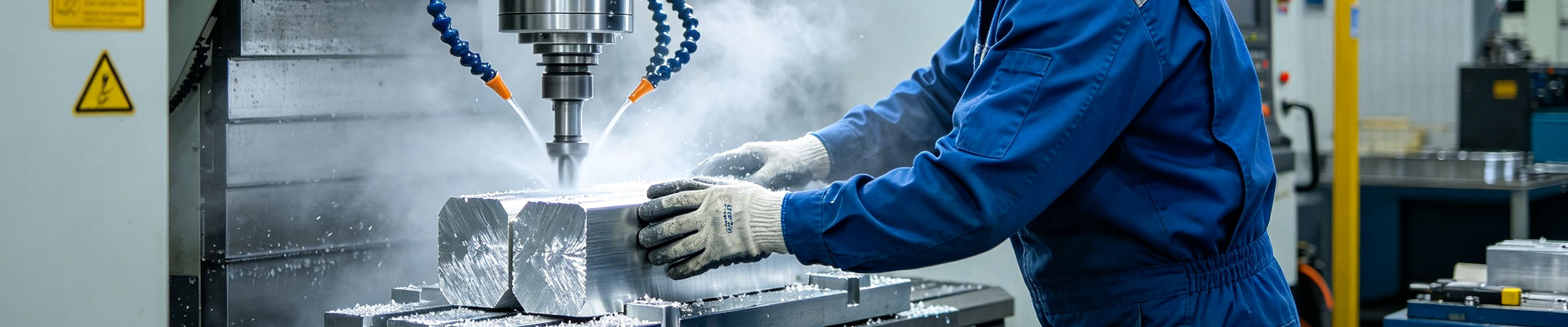
A 200-cycle formwork panel and a 15,300 yuan ingot price make the same point from opposite directions: compare parts on cost in service, not on price per kilogram.
Two items published on 24 November 2026 make an instructive pair. One reported a magnesium construction formwork panel that is 28% lighter than aluminium and designed for about 200 reuse cycles. The other put magnesium ingot at RMB 15,300 per tonne, flat on the day, with alloy prices holding while demand stayed weak. One story is about a part that earns its cost back many times; the other is about a metal price that keeps falling. Put them together and the lesson is simple: price per kilogram is the least useful number in a magnesium decision.
What a formwork panel teaches about cost
A 400 x 2,600 mm magnesium panel weighs 16.15 kg against 22.36 kg in aluminium. On the purchase order, magnesium looks more expensive per kilogram and the panel may still look expensive per piece. But the panel is reused about 200 times, can be refurbished, and is handled by fewer workers each time it is moved. Divide the panel cost by the number of acceptable pours and the comparison changes completely. The company's claimed deployment across more than 300 projects and close to 2,000 buildings is an attempt to prove exactly that.
The same arithmetic applies to a die casting, though the units differ. A casting that needs less machining, survives its coating process, and does not get scrapped at final inspection is cheaper than a cheaper casting that does. We have written about trial yield versus SOP yield and about die life in a quotation — both are attempts to put the denominator back into the calculation.
Four places where the cost actually moves
First, material: the ingot price is a starting point, but alloy grade and certified supply matter more when a programme runs for years. We set out the relationship between ingot price and casting price earlier, including why the magnesium-to-aluminium ratio alone explains very little.
Second, forming: semi-solid or high-pressure die casting, tooling life and cycle time decide how much of the metal ends up in a saleable part. Third, finishing: machining allowance, coating route and inspection. A requirement for micro-arc oxidation changes both cost and lead time, and the choice of surface treatment should be made with that in mind. Fourth, service life: corrosion behaviour, joining performance and the cost of a field failure. This is where mixed-material joint design stops being a technical detail and becomes a cost item.
Why the falling price can be a trap
The 24 November market report quotes magnesium ingot at RMB 15,300 per tonne and says prices have stopped falling near that level. It also notes that winter restocking has not started, die casting orders have not improved, and export inquiries are thin. The previous day's monthly report put October ingot at RMB 16,250, a yearly low. Two sources, two different snapshots — which is exactly why a quotation should name its index and its review date rather than quote a spot number as a permanent fact.
A buyer who negotiates only on the spot price gets a low number today and no protection against the allocation problem we discussed in the October data. A buyer who negotiates on total cost asks about yield, coating capacity and quoted validity at the same time.
How to read a low price without overreacting to it
The market report's wording is careful: prices have stopped falling near RMB 15,300, but supply cuts have entered a plateau, winter restocking has not arrived, and export inquiries are thin. Translated for a buyer: there is no shortage today, and there is also no strong signal about the next quarter. That is a reasonable moment to negotiate contract terms rather than to time the spot market.
It is also a reminder that a total-cost comparison has to use the same time basis on both sides. Comparing today's spot ingot with a casting quote valid for six months mixes a moving number with a fixed one. Ask the supplier to state the index, the base month and the review rule, then put the same rule into the aluminium alternative. Otherwise the comparison measures who wrote the quotation last.
A simple total-cost framework
Put four columns on one sheet: metal and conversion, tooling and forming, finishing and inspection, and in-service life including rework and recycling. Fill each with the supplier's own numbers, then ask which column has been assumed rather than measured. Most magnesium quotes fail in the third and fourth columns — they price the casting and hope the finishing behaves. Our one-roof model exists so those columns can be filled by the people who perform the work.
There are cases where magnesium is not the answer: very low volumes that cannot amortise tooling, geometries that need a heat-treatment route the alloy cannot take, or environments where the coating budget exceeds the weight saving. A supplier who says so early is more useful than one who quotes every drawing.
Where to start
Send the part, the volume and the service environment. We will return a cost breakdown by process, not a single price per kilogram.