
October Magnesium Data: Output Down 11.93%, Auto Demand Up, Price at a Low
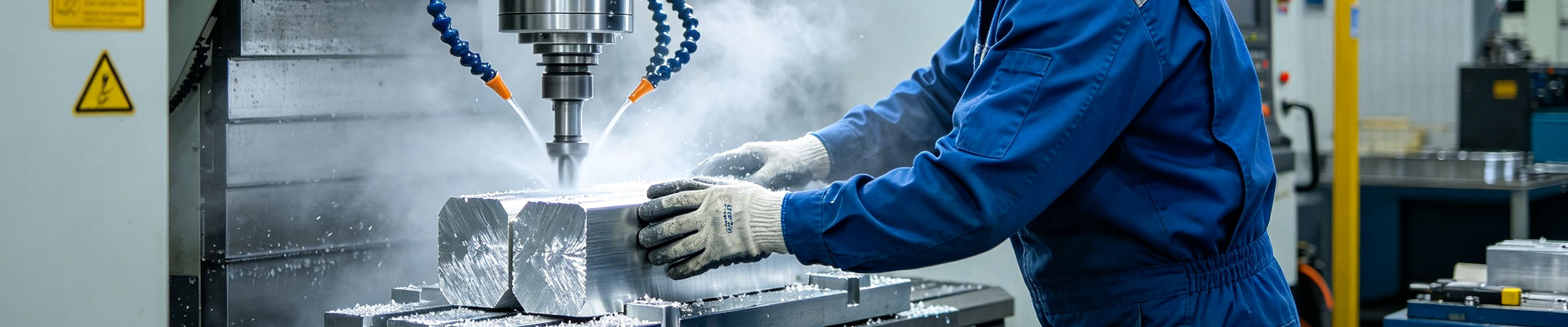
A 23 November broker report puts three October figures side by side: alloy output down 11.93%, automotive magnesium at 24,500 tonnes, and ingot at a yearly low. They are not as reassuring as they look.
On 23 November 2026, Minmetals Securities published its October new-materials monthly report. Three figures in it are worth reading together rather than separately. Magnesium alloy output fell 11.93% month on month. Automotive magnesium consumption reached 24,500 tonnes, or 68.44% of total demand. Ingot prices fell to RMB 16,250 per tonne, a yearly low. Each number has been reported on its own. Put together, they say something different about what a buyer can assume.
Three numbers that do not agree
The report puts October magnesium alloy demand at 35,700 tonnes, roughly flat with September, while alloy output fell almost 12%. Primary magnesium ingot output was essentially unchanged. That combination means the metal was still being produced, but less of it was being converted into alloy. At the same time, automotive consumption climbed from 14,500 tonnes in February to 24,500 tonnes in October — an increase of about 10,000 tonnes — and automotive's share of magnesium demand held above 67% for three consecutive months.
Price moved the other way. Ingot fell to RMB 16,250 per tonne and mainstream alloys to between RMB 17,100 and 17,303, down 3.91% to 4.01% on the month and both at yearly lows. So the picture is: less alloy being made, more of the demand coming from cars, and a lower price. The report itself lists price volatility and weaker-than-expected downstream demand among its risks.
A low price is not the same as spare capacity
It is tempting to read a yearly-low ingot price as a buyer's market with unlimited supply behind it. The data does not support that. A 10,000-tonne increase in automotive consumption in eight months means a growing share of available alloy is going into vehicles, usually into programmes with annual contracts and committed volumes. A price can fall because of cyclical oversupply in one month and still be attached to a supply base that is increasingly allocated elsewhere.
We made a similar point when we looked at output rising while exports stayed flat: the direction of metal matters as much as the price of metal. The question for an overseas buyer is not whether the spot price is low today. It is whether an alloy grade will be available for a programme in twelve months, and at what terms.
Price versus the price of a casting
Ingot is one line in a die casting quotation. Alloy conversion, tooling amortisation, cycle time, machining, surface treatment, inspection and logistics are the others. A 4% move in ingot price does not translate into a 4% move in a finished part, and a quotation that promises it will is usually hiding assumptions elsewhere. We have broken down how ingot price relates to a die casting quote before, including why the magnesium-to-aluminium ratio alone is a poor basis for a part price.
There is also a timing problem. A quote built on a monthly low needs a validity period and a price-adjustment clause, not a handshake. Both sides should know which index is referenced, how often it is reviewed, and what happens when it moves outside an agreed band.
What 68.44% means for a die casting buyer
When cars take more than two-thirds of magnesium demand, automotive programmes set the rhythm of the supply base. That has two consequences for a buyer outside the automotive sector. High-volume orders are prioritised when capacity tightens, and development resources follow the parts with the largest annual volumes. A small programme can still be served well, but it needs to be explicit about volumes, forecast accuracy and validation timing rather than assuming it will be fitted in.
The same logic applies to process choice. If a supplier is running semi-solid lines near capacity for automotive customers, a high-pressure die casting route with its own tooling may be the more realistic answer for a lower-volume part. We compared the two routes by part number; the right question is which route will actually be available when the programme starts.
Five questions for the next quotation
Ask for the quote validity period and the index behind any price adjustment. Ask which alloy grades are committed to existing customers and which are open. Ask what buffer stock sits behind the programme. Ask how capacity is allocated when two orders compete for the same machine. And ask for the transition point from trial to stable production — trial yield is not SOP yield, and a price based on the first will assume a development budget nobody has agreed.
None of these questions require the buyer to predict the magnesium market. They simply stop a monthly price statistic from being mistaken for a supply guarantee.
Where to take the conversation
We run tooling, die casting, machining and surface treatment in one plant in Ningbo, so alloy supply, cycle time and finishing are quoted by the people responsible for them. Send the part and the annual volume and we will tell you which assumptions a quotation needs to state explicitly.