
Full-chain Magnesium Alloy Manufacturing Shows Advantages, One-stop Service Empowers Lightweight Industry
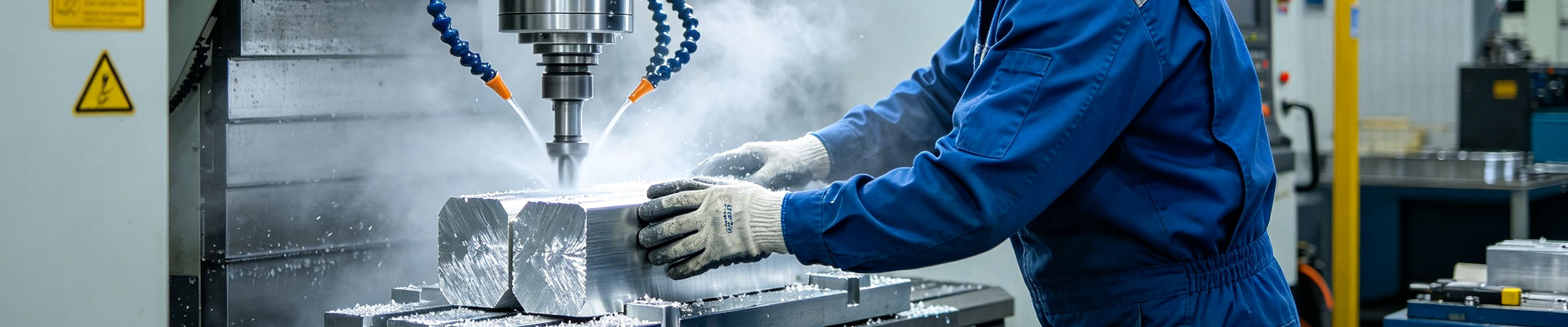
With rising demand for lightweight solutions in new energy, rail transit and communication equipment, magnesium alloy stands out as a key material. Full-chain manufacturing capability is becoming a decisive factor for buyers.
With the rising demand for lightweight solutions in new energy, rail transit and communication equipment, magnesium alloy stands out as a competitive material because of its low density, high specific strength and excellent machinability. But material advantage alone does not guarantee a good part: the way a supplier organizes its process chain matters just as much.
Why a full-chain supplier matters
A typical magnesium alloy component passes through mold design, die casting, precision machining, surface treatment and inspection. When these steps are split across several vendors, drawings are re-interpreted repeatedly, tolerances drift, and lead times grow. A single supplier that owns the whole chain can feed machining results back into mold design and casting parameters, closing the loop quickly.
Equipment + process: the dual drive
At FONHON, five dedicated magnesium alloy die casting machines from 280T to 800T cover small precision components through large structural housings. Multiple lathes and Brother 4-axis drilling and tapping centers handle tight-tolerance faces and threads. A professional passivization line improves corrosion resistance, while projectors, CMM and X-ray flaw detectors verify both external dimensions and internal integrity.
What buyers gain
- One point of accountability from custom design to finished product delivery
- DFM feedback before tooling, reducing costly mold revisions
- Shorter lead times and more stable dimensional accuracy
- Traceable quality records for automotive and medical applications
From design to delivery
With "full-process production capacity + stringent quality control + rapid response" as the core competitiveness, integrated solutions can be delivered to clients in new energy, automotive parts, robot covers, medical devices, lighting and 3C electronics. If you have a 2D/3D drawing, send it over — our engineering team will come back with DFM advice and a quotation within 24 hours.