
7000 T Magnesium Formwork: 16.15 kg Instead of 22.36 kg
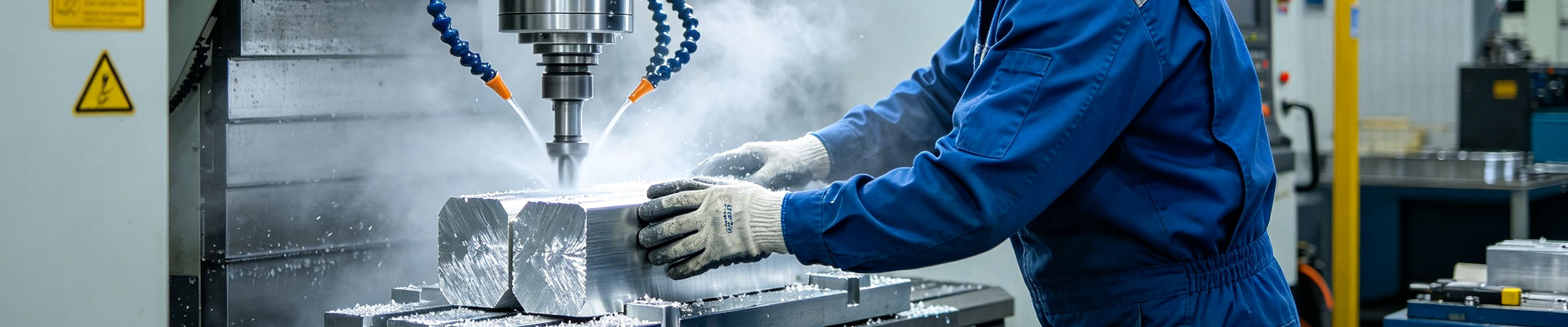
A magnesium alloy construction formwork programme reports a 28% lighter standard wall panel, 200 reuse cycles and direct molten magnesium supply. The interesting question is not the weight saving but how it is counted.
On 24 November 2026, a report on the strategic partnership between Anhui Magnesium-Aluminium Construction Formwork and Yuhong Meishu described a use of magnesium alloy that has nothing to do with cars. The company's formwork panels are die cast in one piece on a 7,000-tonne machine, using a direct molten magnesium supply that the report describes as a first. A standard 400 x 2,600 mm wall panel weighs 16.15 kg in magnesium against 22.36 kg in aluminium, a 28% reduction. The panels are reported to turn over about 200 times, and old panels can be refurbished and recycled.
It is tempting to file this under "magnesium is light". That misses why a construction contractor would care. On a site, a lighter panel is fewer people per lift, faster assembly and less fatigue. The value is in the handling cycle, not in the number on a weighbridge.
Why formwork is a good fit for magnesium
Formwork is a temporary structure with a demanding job: it has to hold wet concrete to a precise shape, survive repeated stripping and cleaning, and then be reused enough times for the initial cost to make sense. Aluminium formwork won this market by replacing timber, but a welded aluminium panel still has joints, and joints are where concrete leaks and edges go out of tolerance.
One-piece die casting removes those joins. The company's claim is that a single casting has no weld seams to come apart and better panel flatness than a welded assembly. That is exactly the argument we make for integrated die castings in other sectors: fewer interfaces mean fewer places for a problem to start. Direct molten magnesium supply, if it is running as described, removes an ingot-melting step and the energy and handling that go with it.
The numbers that matter on a building site
The report gives a set of figures worth reading as a group rather than as marketing claims. A 400 x 2,600 mm magnesium panel is 6.21 kg lighter than its aluminium equivalent. Production time is quoted at 72 seconds per panel. Reuse is about 200 cycles, after which a panel can be refurbished rather than scrapped. The company backs these with a claimed annual capacity of over one million square metres and deployments in 12 provinces, 48 cities and more than 300 projects covering close to 2,000 buildings, plus markets in Singapore, Japan, Saudi Arabia, the United Arab Emirates and Brazil.
Each figure needs a context before it becomes a commercial term. Cycle life depends on how the panel is stripped and cleaned; flatness depends on how it is stored between pours; and the 200-cycle number means little without a definition of the rejection criterion. These are the same questions a buyer asks about die life on a casting programme — a number is only useful with the conditions attached.
What a buyer should verify before believing the 200 cycles
Ask how a rejected panel is defined: a surface blemish, a dimension out of tolerance, or a leak at a joint. Ask whether the 200 cycles come from a tracked project or from a test stack. Ask what coating is applied and how it is repaired after damage on site, because a magnesium panel in wet concrete is a corrosion question as much as a mechanical one — the same logic behind joint and coating design on automotive parts. And ask what the refurbishment route actually is: recoating, straightening, or remelting.
None of that undermines the announcement. It converts a promising figure into a specification.
Direct molten supply changes the supply chain, not just the melting bill
The claim about direct molten magnesium supply deserves a closer look, because it is the part of the story with the widest implications. Conventional die casting buys ingots, melts them in a furnace at the press, and accepts the energy consumption, dross and melt loss that come with that step. Supplying molten metal directly from a nearby smelter removes the ingot casting and remelting cycle, but it ties the caster to a synchronous production schedule and a short transport window.
That trade is attractive at the volumes this formwork plant describes — over a million square metres a year — and less attractive for a job shop running mixed alloys in small batches. It is the same logic that determines whether a dedicated semi-solid island or a flexible cell makes sense for a given programme. The capacity announcements we reviewed earlier were all, in one way or another, about matching a supply route to a volume profile.
From a building panel to a die casting programme
For a metal supplier, this story is a reminder that the same alloy and the same press can serve very different markets. Automotive buyers ask about crash performance and PPAP. A formwork buyer asks about cycles per panel, strip time and surface finish on the concrete. Both need a controlled casting process, a surface treatment that matches the environment, and a supplier who can say where the process is weak. Our full-chain manufacturing model is built on keeping those answers in one place.
Where to take it further
If you are evaluating magnesium for an application outside the usual automotive part list, the first useful step is to state how the part is judged in service. Send us the part and the duty cycle and we will tell you whether die casting is the right route and which figure needs proving first.