
Upgraded Magnesium Alloy Die Casting Technology Solves Production Challenges for Thin-walled Complex Structural Parts
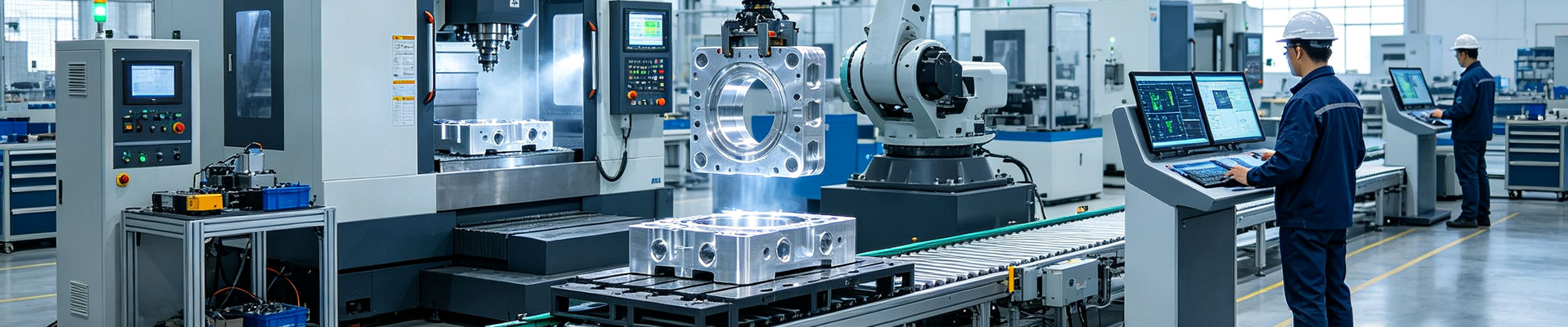
Magnesium alloy die casting is the mainstream forming process for lightweight components. Thin-walled complex structural parts, however, put high demands on mold design, melt flow and process control.
Magnesium alloy die casting is the mainstream forming process for lightweight components. Nevertheless, magnesium alloy features high chemical activity and a narrow process window, and thin-walled complex structural parts are especially prone to misrun, cold shut and porosity.
Design for manufacturability comes first
Wall thickness uniformity, fillet radius, draft angle and rib layout should be reviewed before tooling. Our in-house mold workshop allows DFM feedback at the quotation stage, so parting lines and gate positions are chosen to shorten the flow path and balance filling.
Process control on 280T–800T machines
Melt temperature, injection speed and vacuum assistance are tuned together. Larger machines provide the clamping force needed for structural housings, while smaller machines give better control for thin-wall precision parts. Vacuum-assisted filling reduces gas entrapment and improves internal density.
Verification
CMM checks critical dimensions, X-ray flaw detection checks internal porosity, and machined sealing faces are inspected again after CNC processing. Only parts that pass both external and internal checks are released.
Practical takeaway for buyers
Share the functional surfaces, sealing requirements and annual volume with your supplier early. These three inputs determine most of the mold and process decisions — and most of the final cost.