
Which Bolt Goes Into a Magnesium Housing? A Buyer's Guide
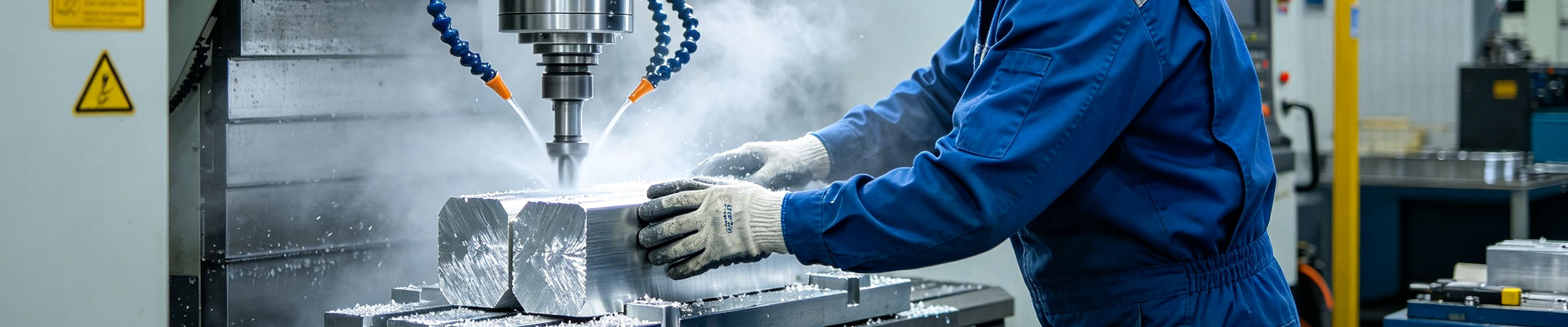
Aluminium bolts, coated steel with isolation, or a stud and nut: the fastening choice decides whether a magnesium housing survives salt spray, vibration and a service life of rework.
A technical article published on November 25 China time — the evening of November 24 US Eastern time — asked a question that procurement teams often leave too late: what bolt should go into a magnesium housing? It is a small component with a large consequence. The wrong fastener turns a lightweight casting into a corrosion problem at the joint.
Magnesium is the most electronegative of the common engineering metals. In the presence of moisture, even condensed humidity, direct contact with steel, stainless steel or copper creates a galvanic cell in which magnesium is the anode and corrodes faster. The article notes visible pitting within three months in coastal conditions. That is a short time for a component qualified for years of service.
Why a standard steel bolt is the wrong default
A plain steel or stainless bolt screwed directly into bare magnesium is the classic mistake. It is not a matter of bolt strength; it is an electrical path plus moisture. Once the joint is wet, the magnesium around the thread becomes the sacrificial electrode. A coating on the casting that is damaged during assembly does not fix the problem, because the thread itself is exposed.
This is the same mechanism we described in galvanic corrosion at mixed-material joints. The difference here is that the fastener is part of the joint design, not an accessory added after the casting is approved.
The options that actually work
The first choice is an aluminium bolt, because aluminium is closest to magnesium in potential. The second, when steel is unavoidable for strength or availability, is a zinc-aluminium or PTFE-coated bolt combined with an insulating washer and sleeve so that the electrical path is broken. The article is explicit: bare steel or stainless steel into bare magnesium is not acceptable.
The third option is a stud and nut. The stud is installed once into the magnesium substrate, and service work removes only the nut. That protects the magnesium thread from repeated assembly and disassembly — useful because magnesium is soft and tapped threads wear. For a housing that will be opened for maintenance, this is often the most durable answer.
Threads, rivets and thermal joining
Magnesium's low room-temperature ductility causes problems with processes borrowed from aluminium bodies. Self-piercing riveting can crack the magnesium sheet; the article cites preheating to 180–200 °C before riveting as a research-derived remedy, which adds a station, cycle time and cost. Flow-drill screws run into a narrow window because friction heat oxidises and embrittles magnesium, with burn-through a real risk. Welding is difficult because magnesium oxidises rapidly and welded zones are brittle.
Bolting therefore returns to the corrosion question. A buyer should treat the fastening concept as part of the casting design rather than as a line item in assembly. Our note on machining and DFM covers the related issue of how machined interfaces are prepared.
Plugs and ports need the same thinking
Drain plugs and water-jacket plugs in an e-drive or transmission housing are often forgotten in the corrosion review. A steel plug in a magnesium port recreates the same galvanic pair, so aluminium plugs or coated steel plugs should be specified. The e-drive housing article covers the environment these parts see in service; the fastening choice has to survive that environment too.
Validation before release
The article ends with a useful standard: whoever first provides answers validated by salt spray, vibration and fatigue testing gets the next round of lightweighting business. Those three tests map directly to the three failure modes — corrosion, loosening under vibration and thread or joint fatigue. Ask for the results by joint, not by material, and ask what coating damage during assembly was simulated. Surface treatment selection, covered in our comparison of options, has to be validated together with the fastener stack.
What to put in the RFQ
Specify the fastener material and coating, the isolation components, the thread engagement and the rework strategy, then require the validation report for that exact joint. A quotation that lists only the casting price has left the joint engineering to someone else — and that is usually where the field problems start.
Where to start
We design, cast, machine and finish housings in one plant in Ningbo, so the joint question is answered with the interface in front of us. Send the housing drawing and the joining concept and we will tell you which fastener route we would qualify first.